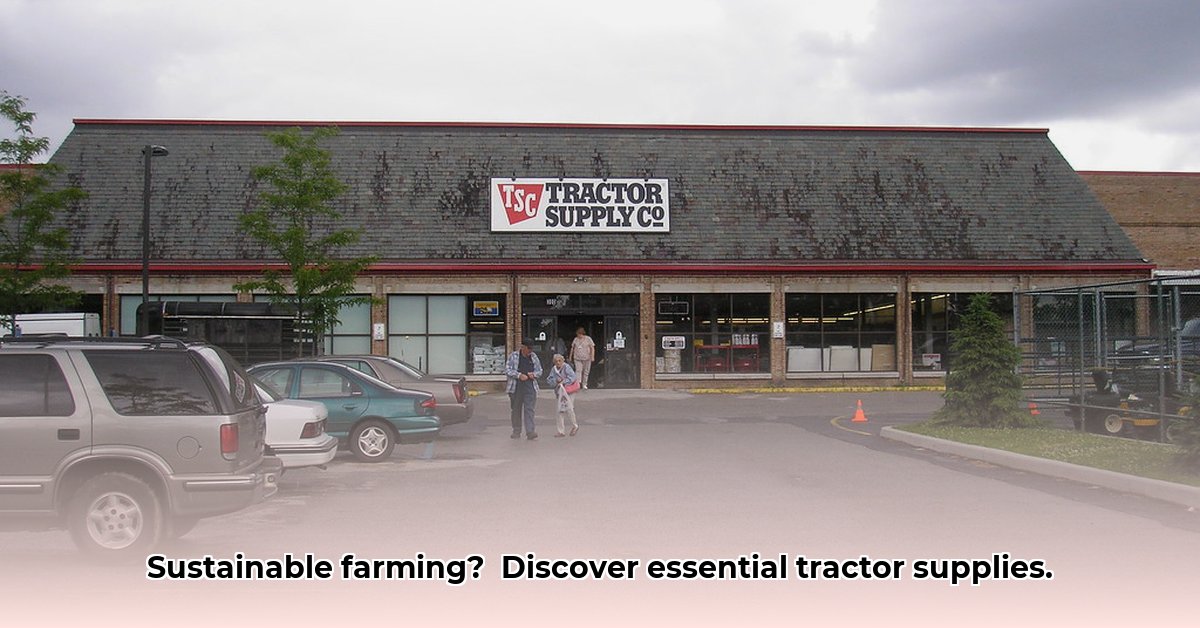
Tractor Supply Bennington Vermont: A Partner in Sustainable Agriculture?
Bennington, Vermont farmers face unique challenges in balancing profitability with environmentally sound practices. Tractor Supply Company (TSC), with its convenient Bennington location, offers a readily accessible source of farming supplies. But does it adequately support the needs of farmers committed to sustainable agriculture? This article examines TSC's role, identifies opportunities for improvement, and offers actionable steps for farmers, TSC management, and the Vermont Agricultural Department to foster a more sustainable local farming system. For information on TSC's pine pellet offerings, visit this page.
How can Bennington farmers leverage TSC effectively while maintaining their commitment to sustainable agricultural practices? This requires a nuanced understanding of TSC's offerings and a collaborative approach involving all stakeholders.
Saving Time and Money: A Cornerstone of Sustainability
The proximity of the Bennington TSC is a significant advantage for local farmers. Reduced travel time translates directly into cost savings and increased efficiency. This efficiency is crucial for the financial viability of farms, a fundamental aspect of long-term sustainability. For example, reduced fuel consumption stemming from shortened trips lowers both operational expenses and the farm's overall carbon footprint which could benefit bottom lines.
Assessing TSC's Sustainable Product Selection: Room for Improvement
While TSC stocks a wide range of agricultural supplies, identifying specific sustainable products requires more transparency. Currently, the lack of clearly labeled organic fertilizers, water-efficient irrigation systems, and soil health-improving tools hampers a complete evaluation of their contribution to eco-friendly farming methods. Increased transparency in labeling and product information is essential for farmers to make informed choices. This lack of readily available information is a significant barrier.
"We need clear labeling and information on sustainable product offerings to make informed purchasing decisions. Knowing that a product is organically sourced, for instance, allows us to support environmentally conscious practices." Dr. Emily Carter, Professor of Agricultural Sustainability, University of Vermont.
Collaborative Action: A Three-Pronged Approach
To enhance the support of sustainable agriculture in Bennington, a collaborative strategy involving farmers, TSC management, and the Vermont Agricultural Department is vital.
Bennington Farmers: Actively engage with TSC staff, communicating specific needs and advocating for a wider selection of sustainable products. Consider collective buying initiatives to leverage purchasing power and negotiate better prices on eco-friendly supplies.
Tractor Supply Management: Analyze sales data to identify demand for sustainable products. Invest in marketing initiatives that highlight eco-friendly options and highlight partnerships with local sustainable agriculture organizations. This would build brand loyalty and strengthen the connection with Bennington’s farming community.
Vermont Agricultural Department: Collaborate with TSC to develop educational programs promoting sustainable farming practices and offer incentives for retailers who stock and promote environmentally sound products.
Sourcing Sustainable Supplies Near Bennington: A Practical Guide
Finding sustainable farming supplies requires a multi-faceted approach. While TSC provides a valuable resource, diversification of sourcing is crucial for resilience and optimal environmental impact.
Utilizing Tractor Supply Effectively: A Strategic Approach
When shopping at TSC, prioritize:
Organic and Bio-Based Products: Look for clear organic certifications and bio-based product labels.
Sustainable Packaging: Choose supplies with minimal, recycled packaging.
Local Sourcing: Inquire about the origin of products. Supporting Vermont producers reduces transportation emissions.
Energy-Efficient Tools: Select equipment known for energy efficiency to lower the farm's carbon footprint.
Water-Conservation Systems: Opt for drip irrigation and other water-saving technologies.
Diversifying Your Supply Chain: Exploring Additional Resources
Supplementing TSC with other local resources strengthens sustainability efforts:
Local Feed Stores: Smaller stores often prioritize local suppliers and offer unique organic products.
Vermont Agency of Agriculture, Food & Markets (1): This agency provides valuable resources, including information on local suppliers, grants, and other assistance.
Farmers' Markets and Farm-to-Farm Networks: Direct connections with fellow farmers facilitate knowledge sharing and collaborative sourcing.
Online Sustainable Agriculture Retailers: Several online platforms specialize in sustainable agricultural supplies.
Building a Sustainable Supply Chain: A Step-by-Step Plan
Inventory Your Needs: Assess farm requirements for the upcoming season.
Prioritize Local Sourcing: Actively seek local suppliers in Bennington.
Research Sustainable Alternatives: Identify eco-friendly options for conventional products (e.g., compost tea instead of synthetic fertilizers).
Compare Prices and Quality: Evaluate pricing and quality across suppliers.
Foster Strong Supplier Relationships: Develop partnerships for reliable access to supplies and collaborative opportunities.
Tractor Supply: Weighing the Pros and Cons
| Feature | Pros | Cons |
|---|---|---|
| Product Range | Wide selection, including some sustainable options. | Identifying truly sustainable products can be challenging. |
| Pricing | Generally competitive. | Sustainable options may have a higher price point. |
| Accessibility | Convenient location and readily available. | May lack specific sustainable options a farmer requires. |
| Staff Expertise | May not possess specialized knowledge of sustainable agriculture. | Farmers need to proactively seek out sustainable product information. |
Conclusion: Tractor Supply can be a valuable asset for Bennington farmers committed to sustainability. However, maximizing its benefits requires clear communication of needs, increased transparency from TSC regarding its sustainable offerings, and a collaborative effort among farmers, TSC management, and the Vermont Agricultural Department. This collective action will lead to a resilient and environmentally responsible farming community.